
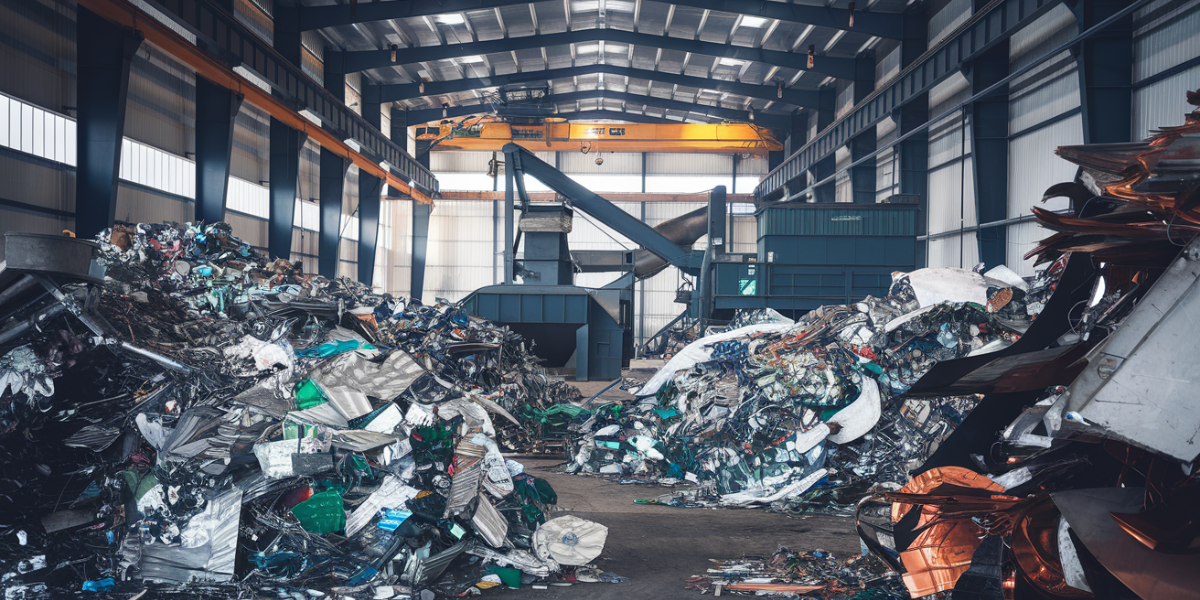
Every time a soda can, an old pipe, or a damaged car frame is collected and melted, it shows how scrap metal is recycled in real life. Yet, many people are unaware of what happens between collection and reuse.
This blog breaks down the complete recycling journey, explaining each stage from gathering and sorting to melting and reshaping, so readers can understand how discarded metal is turned into valuable new material.
Why Recycle Metal at All?
Before moving to the steps, it helps to understand why metal recycling is so important. Unlike paper or plastic, metal does not lose quality when reused. The same aluminum or steel can be recycled multiple times without degrading. This makes recycling far more energy-efficient than mining and refining new metal. In the UAE, this approach supports sustainability goals by conserving resources, cutting energy use, and reducing landfill waste from construction and industrial activity.
In the UAE, scrap metal recycling has become a fast-growing industry. There is rising awareness, government waste diversion goals, and the scale of construction and demolition delivers ample scrap streams. So helping readers understand the recycling process can make them see both a business opportunity and a sustainability gain.
Step-by-Step Scrap Metal Recycling Process
Here is a sequential breakdown of the scrap metal recycling process. I’ll keep it practical and accessible.
· Step 1: Collection / Gathering
First, the scrap must be collected from sources. These sources could be industrial plants, construction sites, demolition projects, households, manufacturing offcuts, or end-of-life vehicles. Prompt scrap (generated during manufacturing) and obsolete scrap (from discarded items) are the two main flows. The collector may be a local scrap yard, a pickup service, or a municipality program.
· Step 2: Transportation to Facility
Once collected, the scrap is moved to a recycling or processing facility. It is usually sorted on site in smaller yards and then transported in bulk. The transportation must comply with safety rules, since heavy metal loads might shift or leak contaminants.
· Step 3: Sorting and Segregation
At the facility, the scrap arrives mixed. Sorting is essential. Metals are separated by type (steel, aluminum, copper, brass, etc.). Tools used include magnets (for ferrous metal), eddy current separators (for non-ferrous), sensors, and manual picking. At this stage, materials that are contaminated (paint, plastic, insulation) are removed to raise purity. Clean scrap yields a higher value.
· Step 4: Processing / Size Reduction
Large bulky items (steel beams, old appliances, car bodies) must be cut, sheared, or shredded into manageable chunks. Shredders break the material down to smaller bits that can melt more evenly. This stage makes it easier to handle and improves the efficiency of later melting.
· Step 5: Purification and Cleaning
After size reduction, the scrap may still hold impurities (oil, coatings, non-metal parts). Cleaning methods include degreasing, chemical baths, abrasion, or thermal treatment. Sometimes, advanced purification (electrolysis, fluxing agents) is applied to remove trace impurities. This ensures the final recycled metal meets standards.
· Step 6: Melting / Smelting
Once clean scrap is ready, it goes into a furnace. Steel is often recycled in electric arc furnaces (EAFs) using scrap as a major feedstock. Aluminum and copper are melted in specialized furnaces. The idea is to melt only similar metals in each batch for consistency. Temperature control and flux use help separate contaminants and slag from usable metal.
· Step 7: Casting / Solidifying
Once molten, the metal is cast into bars, ingots, billets, or other standard shapes. Then it cools and solidifies. These solidified forms are easier to store, handle, and send to manufacturers.
· Step 8: Quality Testing
Samples from each batch are tested to verify chemical composition, strength, and impurity levels. If the batch fails quality thresholds, it might be reprocessed or mixed with other batches to balance it.
· Step 9: Transportation to Manufacturers
After passing tests, the recycled metal is shipped to factories that use it as raw material. These factories melt or reforge it into new products: car parts, building materials, appliances, etc. At that point, the cycle can begin again.
What Determines Efficiency and Value?
Several factors influence how well metals can be recycled in any given setup:
- The purity of the scrap collected. Cleaner input means less cost in cleaning.
- The precision in sorting. Better separation keeps contamination low.
- The technology of furnaces. Modern EAFs can reduce emissions and energy usage.
- Control of trace elements. Some metals are sensitive to small impurities (as recent studies show).
- Local regulations and energy cost. In some places, the cost of power or emissions standards may tilt the economics.
- Volume and scale. Larger throughput reduces cost per ton.
Common Metals Recycled & Their Pathways
Here’s how typical metals move through recycling:
- Steel / Iron (Ferrous): These are magnetic, easy to sort, and dominate scrap weight. Many old vehicles and structures feed into steel recycling. The ferrous stream often forms the backbone of a scrap yard’s revenue.
- Aluminum: Lightweight and valuable, aluminum scrap (cans, window frames, parts) is cleaned and melted in specialized furnaces. The savings in energy are particularly large compared to producing fresh aluminum.
- Copper / Brass / Bronze: These non-ferrous metals are often separated after ferrous removal. Copper wiring, plumbing, and electronics parts are cleaned, melted, and cast.
- Others: Lead, zinc, tin, and precious metals (from electronics) go through more delicate processing and purification techniques.
How the Process Works in the UAE?
The scrap metal industry in the UAE is thriving, driven by rapid urban growth, construction, demolition projects, and the steady import of used vehicles. These activities create a consistent flow of valuable metal scrap across the country. With numerous firms and collectors operating, scrap buyers in Dubai and other Emirates play a key role in supporting local recycling demand.
Aligned with the UAE’s national vision for sustainability, the recycling sector focuses on diverting waste from landfills and promoting a circular economy. However, success in this competitive field depends on efficient sorting, logistics, and well-located facilities, factors shaped by the region’s unique electricity, real estate, and regulatory costs.
Looking to sell your metal scrap or find reliable recycling solutions? Get in touch with us, your trusted partner for quick, fair, and hassle-free scrap metal collection anywhere across the Emirates.
Conclusion
Recycling scrap metal plays a vital role in conserving natural resources and cutting energy use. Understanding how scrap metal is recycled and the detailed recycling process highlights its environmental and economic importance. In the UAE, even end-of-life vehicles contribute to this effort, with scrap car buyers in Abu Dhabi helping channel usable metal back into production. This responsible approach allows industries and communities to manage waste efficiently and support a growing circular economy. Partnering with Scrap Buyer All UAE ensures efficient and sustainable recycling practices, so get in touch with us today!