
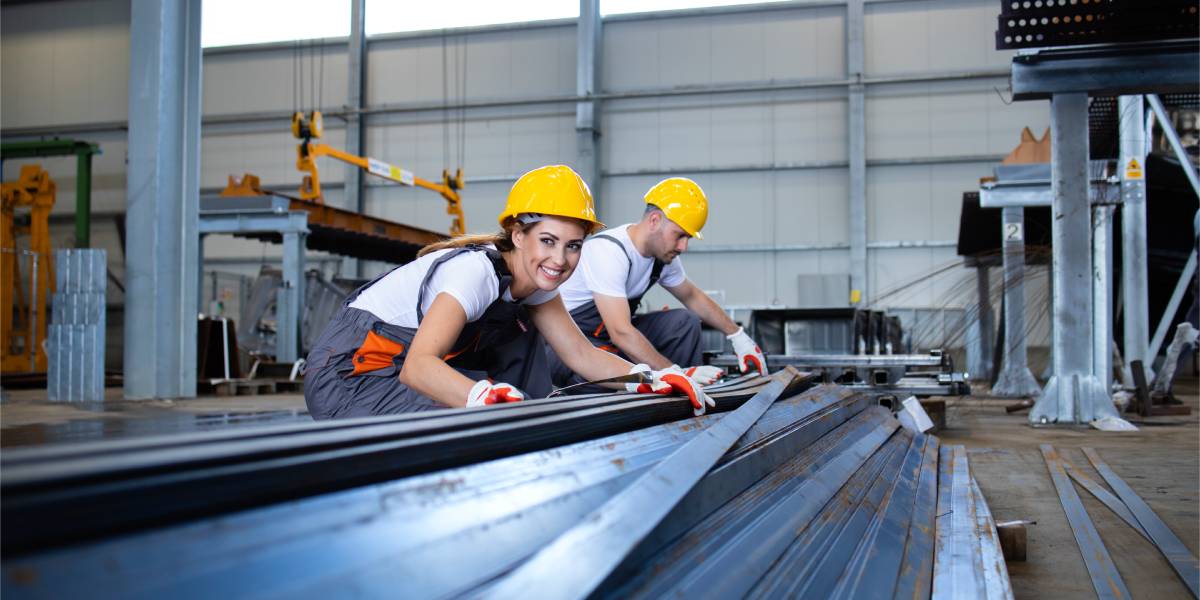
Industrial growth across the UAE has led to stronger production capacity, larger facilities, and busier manufacturing zones. As factories scale up, one thing increases alongside production. Scrap. Offcuts, metal shavings, rejected components, broken machine parts, and leftover materials pile up every day. Many factories see these items as clutter that must be cleared out. In reality, the right approach to industrial metal recycling turns this scrap into a dependable source of value.
The UAE has placed a great amount of attention on the more efficient use of resources in major industries. This makes industrial scrap recycling an important part of the modern production cycle. When factories take their waste seriously, they reduce clutter, improve workflow, and gain additional revenue from materials they once ignored.
The Importance of Industrial Metal Recycling in UAE Manufacturing
Manufacturing zones in Dubai, Abu Dhabi, Sharjah, and the Northern Emirates generate large amounts of metal waste during daily operations. Activities like machining, cutting, forming, packaging, and equipment maintenance produce steady volumes of recyclable materials. Instead of letting these materials fill up storage areas or enter general waste streams, factories can treat them as valuable assets.
A proper factory waste recycling system benefits both the environment and the company’s bottom line. Recycled metals move back into local production loops. This supports the national goal of building cleaner and more resource-efficient industries.
How Industrial Scrap Recycling Works
Sorting at the Source
The entire recycling process becomes easier when scrap is sorted directly on the factory floor. Workers place materials into dedicated bins for aluminium, copper, brass, steel, stainless steel, and mixed scrap. Clean materials receive better treatment during processing and help factories earn more from each load.
Safe Storage
Once sorted, scrap must be stored in clean and secure bins. It should be shielded from oil, dirt, and moisture. Clean scrap reduces the amount of work required by recycling partners and maintains its value.
Scheduled Collection
Recycling partners send trucks to collect materials on a regular schedule. Collections may be weekly, twice monthly, or monthly, depending on factory output. This keeps work areas clear and prevents the buildup of bulky items.
Processing and Reuse
Scrap yards handle cutting, shredding, compacting, and shipping. Processed metals move on to local mills or to export destinations, where they become raw materials for new products.
This loop keeps materials circulating in the UAE economy instead of being wasted.
Common Recyclable Metals in UAE Factories
Below is a simple table showing the most common metals found in UAE industrial settings and their recyclability levels.
| Metal Type | Recyclability Level | Common Factory Sources |
| Aluminium | Very high | Machine housings, extrusions, sheet offcuts |
| Copper | Very high | Motors, wiring, and electrical components |
| Steel | High | Plates, pipes, beams, structural pieces |
| Brass | Very high | Valves, fittings, engineering parts |
| Stainless Steel | High | Food processing equipment, machinery parts |
These materials keep their quality through multiple recycling cycles, which is why they are considered long-term assets for manufacturers.
Why Factories Benefit from Industrial Metal Recycling
Cost Reduction
Scrap metal takes up space, slows down workflow, and adds to general waste charges. Recycling reduces disposal costs and helps facilities keep cleaner, more efficient production lines.
Additional Revenue
Instead of throwing out usable materials, factories receive payment for each batch of scrap. Even small batches accumulate into meaningful monthly returns.
Cleaner Work Areas
Scrap piles create clutter and make it harder for staff and equipment to move freely. Regular pickups help maintain a clean, safe, and well-managed workspace.
Environmental Contribution
When factories participate in industrial metal recycling, they reduce the need for fresh metal extraction. This supports national sustainability initiatives while encouraging more responsible industrial practices.
Working with Professional Scrap Buyers
Many factories in the UAE rely on dedicated recycling partners who collect, sort, and process their materials. Companies often choose local scrap buyers in Dubai , like Scrap Buyer All UAE, because they understand the needs of industrial clients and offer quick response times.
Professional buyers help factories:
- Maintain clear sorting standards
- Set up scheduled collection cycles
- Keep storage areas clean
- Understand which metals offer the strongest returns
- Reduce downtime caused by scrap buildup
A reliable recycling partner becomes part of the long-term workflow of any busy production facility.
Building a Factory Waste Recycling Plan
Identify Your Scrap Streams
Every factory should start by listing the types of scrap it generates. Knowing the categories helps create an organized recycling process.
Train Staff
Workers should be shown how to sort correctly, how to identify different metals, and why sorting matters. Small habits lead to consistent, high-quality scrap output.
Use Proper Storage
Use dedicated bins for each metal category. Label them clearly and position them near workstations to encourage correct sorting.
Maintain Pickup Cycles
Collectors should visit on a consistent schedule. This keeps scrap from occupying valuable floor space.
Track Scrap Volumes
Management can use monthly logs to identify waste patterns, operational issues, and revenue potential.
Example of a Factory Scrap Tracking Table
Below is a simple table format that many UAE factories use to record monthly scrap output. This example does not include prices and is meant only as a tracking template.
| Scrap Category | Monthly Quantity | Notes |
| Aluminium | High output | Mostly from machining offcuts |
| Copper | Medium output | Comes from wiring and motor replacement |
| Steel | High output | From structural work and maintenance |
| Brass | Low output | Mainly from small fittings |
| Stainless Steel | Medium output | From food-grade machinery and equipment |
Tracking scrap like this helps factories identify trends and plan more efficient production cycles.
Conclusion
Industrial growth in the UAE brings great opportunities for more efficient waste management. Factories across the Emirates can turn scrap into a valuable resource by adopting simple routines such as sorting at the source, keeping storage areas clean, and working with reliable recycling partners. Through industrial metal recycling, companies can improve workflow, reduce waste costs, and support cleaner industrial standards.
Once factories understand the real benefits hidden inside discarded metal, industrial scrap recycling becomes more than just a cleanup task. It becomes a steady and dependable part of the overall production system. With the right approach, factory waste recycling strengthens efficiency, cuts down operational clutter, and supports long-term sustainability goals in the UAE.
For fast collections, professional service, and smooth recycling support across the Emirates, contact Scrap Buyer All UAE. We also serve private sellers and remain one of the most trusted scrap car buyers in Abu Dhabi !